Introduction
Technology is continuously changing the way people live, work, and manage their daily activities. Among the most important innovations of the digital era, wearable technology has gained significant attention because of its ability to combine convenience, connectivity, and smart features in small devices.
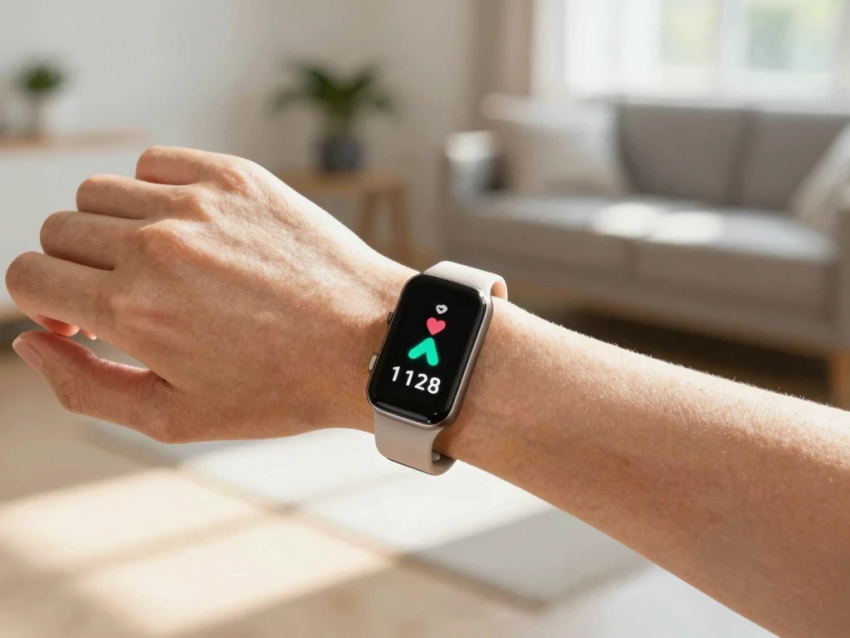
Wearable technology includes electronic devices that can be worn on the body to perform various functions such as health monitoring, fitness tracking, communication, and personal assistance. Smartwatches, fitness trackers, smart rings, and medical wearable devices are becoming common parts of modern lifestyles.
The impact of wearable technology is especially visible in three major areas: healthcare, fitness, and everyday life. These devices help people monitor their health, improve physical performance, stay connected, and make better decisions based on real-time data.
This article explores wearable technology in healthcare, fitness, and everyday life, including its benefits, applications, challenges, and future trends.
What Is Wearable Technology?
Wearable technology refers to smart electronic devices designed to be worn on the human body. These devices use sensors, software, and wireless connectivity to collect data and provide useful information to users.
Unlike traditional gadgets, wearable devices are designed for continuous use and provide real-time updates.
Common examples of wearable technology include:
- Smartwatches
- Fitness trackers
- Smart rings
- Medical monitoring devices
- Smart glasses
- Smart clothing
- Virtual reality headsets
These devices have become more advanced because of improvements in artificial intelligence, sensor technology, and internet connectivity.
How Wearable Technology Works
Wearable devices use several technologies working together to provide smart features.
Sensors
Sensors collect information from the user’s body or surroundings.
Examples include:
- Heart rate sensors
- Motion sensors
- GPS tracking sensors
- Temperature sensors
- Blood oxygen sensors
These sensors help devices monitor activities and provide accurate information.
Data Processing
The collected information is processed using built-in technology or connected applications.
Advanced algorithms analyze data and provide useful insights, such as health reports or fitness recommendations.
Wireless Connectivity
Wearable devices connect with smartphones and online platforms through:
- Bluetooth
- Wi-Fi
- Mobile networks
This allows users to access their information anytime.
Wearable Technology in Healthcare
Healthcare is one of the most important industries benefiting from wearable technology. These devices are helping doctors and patients manage health conditions more effectively.
1. Remote Patient Monitoring
Wearable medical devices allow healthcare providers to monitor patients without requiring constant hospital visits.
They can track:
- Heart activity
- Blood pressure
- Body temperature
- Oxygen levels
- Patient movement
Remote monitoring improves healthcare accessibility and helps doctors respond quickly to health changes.
2. Early Detection of Health Problems
Modern wearable devices can identify unusual patterns in health data.
For example, continuous monitoring can help detect:
- Irregular heart activity
- Changes in fitness levels
- Sleep problems
- Other health concerns
Early detection allows people to seek medical advice before conditions become serious.
3. Chronic Disease Management
People with long-term health conditions can benefit from wearable technology.
Devices help manage conditions such as:
- Heart-related problems
- Diabetes
- Blood pressure issues
Patients can track their health regularly and share information with healthcare professionals.
4. Improving Patient Care
Healthcare professionals can use wearable data to make better decisions.
Benefits include:
- Personalized treatment plans
- Better patient monitoring
- Faster medical responses
- Improved healthcare outcomes
Wearable Technology in Fitness
The fitness industry has been completely transformed by wearable technology. Fitness devices help individuals track their activities and achieve health goals.
1. Activity Tracking
Fitness trackers and smartwatches monitor daily activities, including:
- Steps taken
- Distance traveled
- Calories burned
- Exercise duration
This information motivates users to maintain active lifestyles.
2. Workout Performance Monitoring
Athletes and fitness enthusiasts use wearable devices to improve performance.
Wearables provide data about:
- Heart rate during exercise
- Training intensity
- Recovery time
- Physical performance
This information helps users create better workout plans.
3. Sleep Tracking
Sleep quality plays an important role in overall health. Many wearable devices monitor:
- Sleeping hours
- Sleep patterns
- Rest quality
Users can understand their sleep habits and make improvements.
4. Personalized Fitness Goals
Wearable technology uses collected data to provide personalized recommendations.
Users can receive suggestions for:
- Exercise routines
- Daily activity targets
- Health improvements
This creates a more customized fitness experience.
Wearable Technology in Everyday Life
Wearable devices are becoming part of daily routines by making everyday tasks easier and more convenient.
1. Smart Communication
Smartwatches allow users to stay connected without constantly checking their phones.
Features include:
- Message notifications
- Voice calls
- Email alerts
- Voice assistants
This makes communication faster and more convenient.
2. Digital Payments
Many wearable devices support contactless payments.
Users can make purchases quickly without carrying cash or cards.
3. Navigation and Travel Assistance
Wearable devices provide navigation support through GPS technology.
Users can access:
- Directions
- Location information
- Travel updates
This improves convenience during travel.
4. Personal Safety Features
Wearable technology improves personal safety through features such as:
- Emergency alerts
- Location sharing
- Fall detection
These features are especially helpful for elderly users and people who need additional support.
5. Smart Home Integration
Wearable devices can connect with smart home systems.
Users can control:
- Lights
- Security systems
- Smart appliances
This creates a more connected living environment.
Benefits of Wearable Technology
Better Health Awareness
Wearables help users understand their health and make informed decisions.
Increased Convenience
Smart devices provide quick access to information and services.
Improved Productivity
Wearable technology helps individuals manage tasks and communication efficiently.
Personalized Experiences
Devices analyze user behavior and provide customized suggestions.
Real-Time Data Access
Users can monitor important information instantly.
Challenges of Wearable Technology
Despite many advantages, wearable technology also has some limitations.
Privacy Concerns
Wearable devices collect personal and health information. Protecting this data is a major challenge.
Companies must ensure strong security systems to protect user privacy.
Battery Limitations
Many wearable devices require frequent charging. Longer battery life remains an important area of improvement.
Cost Issues
Advanced wearable devices can be expensive, making them less accessible for some users.
Accuracy Problems
Health monitoring devices must provide reliable data to be useful in medical situations.
Future of Wearable Technology
The future of wearable technology is expected to bring many new innovations.
Artificial Intelligence Integration
AI will make wearable devices smarter by analyzing data and providing better recommendations.
Advanced Healthcare Wearables
Future medical wearables may provide more accurate health monitoring and early disease detection.
Smart Clothing
Smart fabrics may become more common in healthcare, sports, and daily life.
Flexible Devices
Future wearables may become lighter, thinner, and more comfortable.
Better Connectivity
Improved internet technologies will allow wearable devices to communicate faster with other smart systems.
Impact of Wearable Technology on Society
Wearable technology is creating a more connected and technology-driven society.
It is helping people:
- Manage health better
- Improve fitness
- Communicate faster
- Work more efficiently
- Access digital services easily
As wearable devices continue to improve, they will become an even more important part of modern life.
Conclusion
Wearable technology in healthcare, fitness, and everyday life is transforming the way people interact with technology. These smart devices are improving health monitoring, enhancing fitness performance, and making daily activities more convenient.
From medical wearables that support patient care to fitness trackers that encourage healthier lifestyles, wearable technology has created new possibilities across different industries.
Although challenges such as privacy, battery life, and cost remain, continuous innovation is making wearable devices more powerful and accessible. With advancements in artificial intelligence, sensors, and connectivity, wearable technology will continue shaping a smarter, healthier, and more connected future.