Introduction
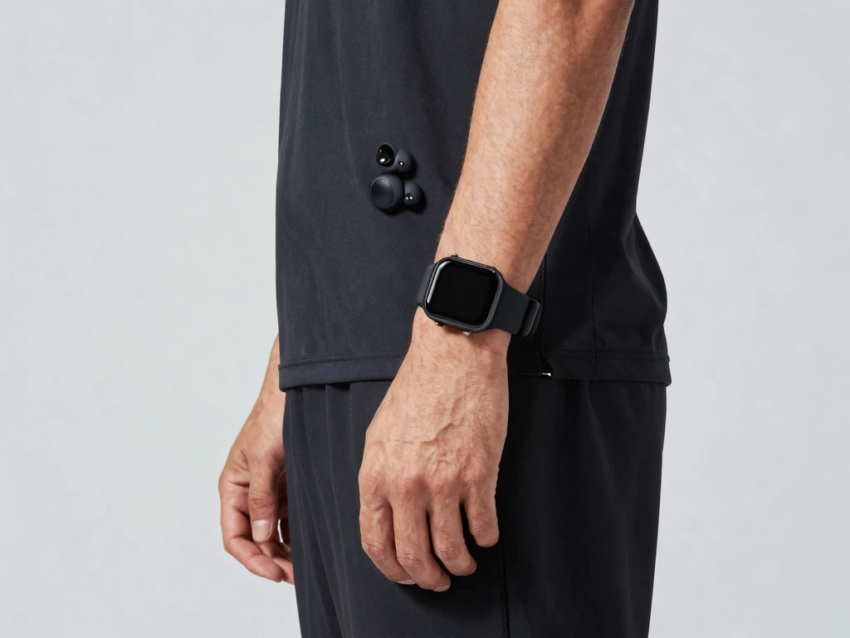
Technology has become an essential part of everyday life, and wearable technology is one of the most exciting innovations shaping the digital future. Wearable devices are smart electronic products designed to be worn on the body and provide useful features such as health monitoring, communication, fitness tracking, and personalized experiences.
From smartwatches and fitness bands to smart glasses and medical monitoring devices, wearable technology is changing how people interact with digital solutions. These devices combine sensors, software, artificial intelligence, and wireless connectivity to collect and analyze information in real time.
The growing popularity of wearable technology is transforming industries such as healthcare, sports, education, entertainment, and business. As technology continues to improve, wearable devices are becoming more accurate, intelligent, and valuable for users around the world.
This article explains understanding wearable technology and its applications, including how it works, different types of wearable devices, benefits, industry uses, challenges, and future trends.
What Is Wearable Technology?
Wearable technology refers to smart electronic devices that can be worn on the human body and perform digital functions. These devices are usually connected to the internet or smartphones and use sensors to collect information from users or their surroundings.
Unlike traditional electronic devices, wearable technology is designed for continuous use and convenience. It allows users to access information, track activities, and control digital services without needing to hold a computer or smartphone.
Examples of wearable technology include:
- Smartwatches
- Fitness trackers
- Smart rings
- Smart glasses
- Medical wearable devices
- Smart clothing
- Virtual reality headsets
These devices are becoming increasingly popular because they provide real-time information and improve daily experiences.
How Does Wearable Technology Work?
Wearable devices work through a combination of advanced hardware and software components.
Sensors
Sensors are one of the most important parts of wearable technology. They collect data from the user’s body or environment.
Common sensors include:
- Heart rate sensors
- Motion sensors
- GPS sensors
- Temperature sensors
- Blood oxygen sensors
- Sleep monitoring sensors
These sensors allow devices to track health, movement, and activities.
Data Processing
After collecting information, wearable devices process the data using built-in processors or connected applications.
The processed information helps users understand their habits, health conditions, and performance.
Wireless Connectivity
Wearable devices use wireless technologies such as:
- Bluetooth
- Wi-Fi
- Mobile networks
This allows them to communicate with smartphones, cloud platforms, and other smart devices.
Software and Applications
Mobile applications and cloud systems analyze wearable data and provide useful insights.
For example, a fitness application can analyze exercise patterns and suggest ways to improve health.
Types of Wearable Technology
1. Smartwatches
Smartwatches are among the most widely used wearable devices.
They provide features such as:
- Time management
- Notifications
- Calls and messages
- Fitness tracking
- Health monitoring
- Digital payments
Smartwatches have become popular because they combine smartphone features with everyday convenience.
2. Fitness Trackers
Fitness trackers are designed to monitor physical activities and encourage healthier lifestyles.
They track:
- Steps taken
- Calories burned
- Exercise routines
- Sleep patterns
- Heart rate
Fitness trackers are commonly used by athletes and health-conscious individuals.
3. Smart Glasses
Smart glasses use augmented reality technology to display digital information in the user’s view.
Applications include:
- Navigation
- Industrial training
- Remote support
- Education
- Entertainment
Smart glasses have the potential to change how people interact with digital content.
4. Medical Wearable Devices
Medical wearables are designed to monitor health conditions and support healthcare services.
Examples include devices that measure:
- Heart activity
- Blood pressure
- Blood glucose
- Body temperature
- Patient movement
These devices help doctors monitor patients remotely and provide better healthcare solutions.
5. Smart Clothing
Smart clothing includes electronic technology integrated into fabrics.
Examples include:
- Smart sports clothing
- Health-monitoring garments
- Temperature-control clothing
This technology provides comfort, performance tracking, and medical benefits.
Applications of Wearable Technology
1. Healthcare Applications
Healthcare is one of the most important areas where wearable technology is making a major impact.
Medical professionals use wearable devices to monitor patients and collect health information.
Applications include:
- Remote patient monitoring
- Heart health tracking
- Disease management
- Fitness and wellness monitoring
- Emergency health alerts
Wearable technology helps improve healthcare accessibility and allows early detection of health problems.
2. Fitness and Sports Applications
Wearable devices have transformed the fitness industry.
Athletes and fitness enthusiasts use wearables to measure performance and improve training.
Sports applications include:
- Tracking workout performance
- Monitoring recovery
- Measuring physical activity
- Analyzing sports techniques
Coaches can use wearable data to create better training strategies.
3. Business and Workplace Applications
Businesses are adopting wearable technology to improve productivity and safety.
Workplace applications include:
- Employee communication
- Safety monitoring
- Hands-free operations
- Industrial training
- Equipment management
In industries such as manufacturing and logistics, wearable devices help workers complete tasks more efficiently.
4. Education Applications
Wearable technology is creating new learning opportunities.
Educational applications include:
- Virtual reality learning
- Augmented reality lessons
- Interactive training
- Remote education
Students can experience more engaging and practical learning environments.
5. Entertainment Applications
The entertainment industry is using wearable technology to create immersive experiences.
Examples include:
- Virtual reality gaming
- Augmented reality experiences
- Interactive media
Wearable devices allow users to experience digital content in more realistic ways.
6. Personal Safety Applications
Wearable technology can improve personal safety through features such as:
- Emergency alerts
- Location tracking
- Fall detection
- Health warnings
These features are especially useful for elderly individuals and people with medical conditions.
Benefits of Wearable Technology
Improved Health Awareness
Wearable devices help users understand their health and make better lifestyle choices.
Increased Convenience
Users can access information, receive notifications, and complete tasks quickly.
Better Productivity
Wearables help employees communicate and manage tasks more efficiently.
Personalized Experiences
Smart devices analyze user behavior and provide customized recommendations.
Real-Time Information
Wearable technology provides instant access to important data whenever needed.
Challenges of Wearable Technology
Despite many advantages, wearable technology also has some challenges.
Privacy and Security Concerns
Wearable devices collect sensitive personal and health data. Protecting this information is a major challenge.
Companies need strong security systems to prevent unauthorized access.
Battery Limitations
Many wearable devices require regular charging. Improving battery life remains an important area of development.
Cost Issues
Advanced wearable devices can be expensive, making them less accessible for some users.
Data Accuracy
Health-related wearables need accurate sensors to provide reliable information.
Future Trends of Wearable Technology
The future of wearable technology is expected to bring many innovations.
Artificial Intelligence Integration
AI will make wearable devices smarter by analyzing data and providing personalized recommendations.
Advanced Healthcare Monitoring
Future wearables may detect health problems earlier and provide more detailed medical information.
Flexible and Lightweight Devices
New materials will make wearable technology more comfortable and easier to use.
Improved Battery Technology
Future developments will focus on longer battery life and faster charging.
Greater IoT Integration
Wearable devices will connect more effectively with smart homes, vehicles, and other connected systems.
The Impact of Wearable Technology on Society
Wearable technology is changing how people manage their health, communicate, and interact with digital services.
It is creating a more connected society where technology works alongside humans to improve daily life.
From helping doctors provide better healthcare to allowing individuals to monitor personal fitness, wearable technology has become an important part of modern innovation.
Conclusion
Understanding wearable technology and its applications helps us recognize how smart devices are transforming the modern world. Wearable technology is no longer limited to fitness trackers and smartwatches; it has expanded into healthcare, education, business, entertainment, and personal safety.
With advancements in artificial intelligence, sensors, and connectivity, wearable devices will continue becoming smarter and more powerful. Although challenges such as privacy, cost, and battery life remain, ongoing innovations are improving the future of wearable technology.
As digital transformation continues, wearable technology will play a major role in creating a healthier, smarter, and more connected world.