Introduction
Technology has continuously evolved to make human life easier, smarter, and more connected. One of the most remarkable advancements in recent years is wearable technology. These smart devices have changed the way people interact with technology by allowing digital tools to become a part of everyday life.
Wearable technology has moved far beyond simple fitness trackers and digital watches. Today, smart devices can monitor health conditions, provide communication features, support professional tasks, and create immersive digital experiences. With advancements in artificial intelligence, sensors, cloud computing, and connectivity, wearable devices are becoming more intelligent and powerful.
The evolution of wearable technology shows how innovation is transforming industries such as healthcare, sports, education, business, and entertainment. As new trends continue to emerge, wearable devices are expected to become an essential part of the future digital ecosystem.
This article explores the evolution of wearable technology, current trends, major innovations, benefits, challenges, and future possibilities.
What Is Wearable Technology?
Wearable technology refers to electronic devices that are designed to be worn on the body and perform smart functions. These devices use sensors, software, and wireless connectivity to collect information, analyze data, and provide useful services.
Unlike traditional electronic devices, wearable technology is designed for continuous interaction with users.
Common examples of wearable technology include:
- Smartwatches
- Fitness trackers
- Smart glasses
- Smart rings
- Medical wearables
- Smart clothing
- Virtual reality headsets
These devices help users track activities, improve health, communicate, and access digital information quickly.
The Early History of Wearable Technology
The concept of wearable technology is not completely new. Early forms of wearable devices existed decades ago, but they had limited capabilities.
The first wearable devices were mainly focused on simple functions such as:
- Digital watches
- Calculators in watches
- Basic electronic accessories
As technology improved, devices became smaller, faster, and more connected.
The development of smartphones, wireless communication, and advanced sensors created new opportunities for wearable technology. This led to the creation of modern smartwatches, fitness devices, and intelligent wearable systems.
The Rise of Smartwatches and Fitness Trackers
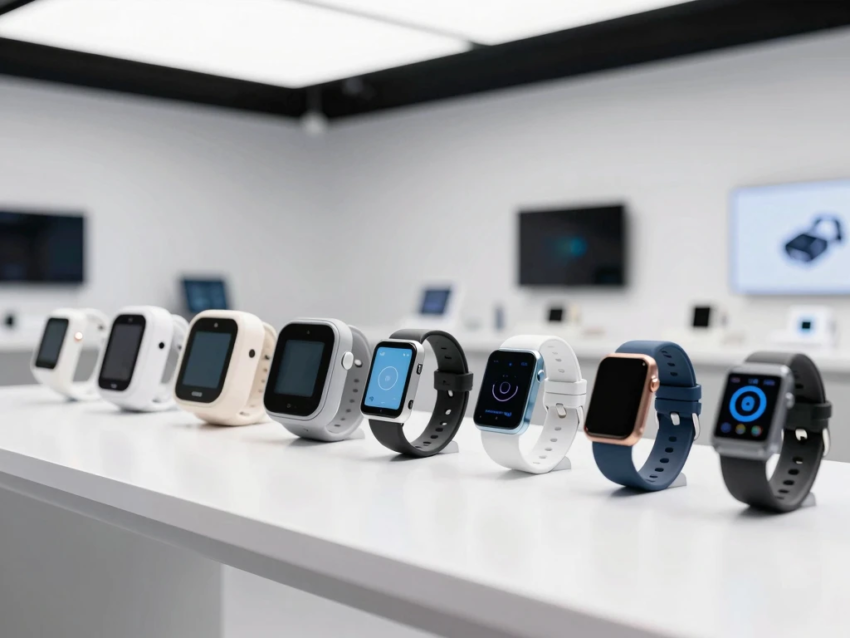
One of the biggest milestones in wearable technology was the introduction of smartwatches and fitness trackers.
These devices transformed traditional watches into powerful digital assistants.
Modern smartwatches can:
- Track heart rate
- Monitor sleep patterns
- Receive notifications
- Support mobile payments
- Provide navigation
- Track physical activities
Fitness trackers introduced a new approach to personal health by allowing users to monitor daily activities and improve their lifestyles.
The popularity of these devices increased awareness about personal health and digital wellness.
Major Trends in Wearable Technology
1. Artificial Intelligence-Powered Wearables
Artificial intelligence is one of the most important trends shaping the future of wearable technology.
AI allows wearable devices to analyze large amounts of data and provide smarter recommendations.
AI-powered wearables can:
- Detect unusual health patterns
- Provide personalized fitness suggestions
- Improve user experiences
- Predict potential health risks
As AI technology advances, wearable devices will become more intelligent and capable of understanding user behavior.
2. Advanced Health Monitoring
Healthcare is one of the fastest-growing areas for wearable technology.
Modern medical wearables can monitor important health information, including:
- Heart activity
- Blood oxygen levels
- Blood pressure
- Glucose levels
- Body temperature
These innovations allow doctors to monitor patients remotely and provide better healthcare solutions.
Future healthcare wearables may help detect diseases earlier and provide continuous health insights.
3. Smart Clothing Innovation
Smart clothing is an emerging trend in wearable technology.
Unlike traditional devices, smart clothing integrates electronic components directly into fabrics.
Examples include:
- Smart fitness shirts
- Health-monitoring garments
- Temperature-controlled clothing
Smart clothing can measure body activity, improve sports performance, and support medical monitoring.
4. Augmented Reality and Smart Glasses
Smart glasses are another important innovation in wearable technology.
These devices combine digital information with the real world using augmented reality.
Applications include:
- Industrial training
- Navigation
- Remote assistance
- Education
- Entertainment
As augmented reality technology improves, smart glasses may become more common in everyday life.
5. Wearable Technology and Internet of Things
The Internet of Things (IoT) is helping wearable devices become more connected.
Wearables can communicate with:
- Smart homes
- Smart vehicles
- Mobile devices
- Cloud platforms
This creates a connected digital environment where devices work together to improve user experiences.
Innovations Driving Wearable Technology
Miniaturized Sensors
Smaller and more accurate sensors are allowing manufacturers to create lightweight and powerful wearable devices.
These sensors improve:
- Health tracking
- Movement detection
- Environmental monitoring
Flexible Electronics
Flexible electronics are making wearable devices more comfortable and practical.
Future wearables may be designed as:
- Flexible screens
- Smart fabrics
- Skin-friendly sensors
Improved Battery Technology
Battery improvements are essential for the future of wearable devices.
Longer-lasting batteries will allow users to use devices for extended periods without frequent charging.
Cloud Computing Integration
Cloud technology allows wearable devices to store and analyze large amounts of data.
Cloud integration provides:
- Better data management
- Remote access
- Advanced analytics
- Improved performance
Applications of Wearable Technology
Healthcare
Wearable technology is improving healthcare by enabling continuous patient monitoring.
Doctors can use wearable data to:
- Track patient conditions
- Provide remote consultations
- Improve treatment decisions
Sports and Fitness
Athletes use wearable devices to improve performance and analyze training results.
Applications include:
- Performance tracking
- Injury prevention
- Fitness improvement
Workplace
Businesses use wearable technology to increase productivity and safety.
Examples include:
- Employee communication devices
- Industrial safety equipment
- Hands-free technology
Education
Wearable technology creates interactive learning experiences through virtual and augmented reality.
Students can benefit from:
- Digital training
- Virtual experiments
- Immersive lessons
Entertainment
Virtual reality and augmented reality wearables are creating new entertainment experiences.
Users can enjoy:
- Interactive gaming
- Virtual environments
- Digital experiences
Benefits of Wearable Technology
Better Health Awareness
Wearables help people understand their health and make better lifestyle choices.
Increased Convenience
Users can access important information without using traditional devices.
Improved Productivity
Wearable solutions help individuals and businesses complete tasks more efficiently.
Personalized Experiences
Smart devices provide customized recommendations based on user data.
Real-Time Monitoring
Wearables provide continuous access to important information.
Challenges of Wearable Technology
Despite rapid growth, wearable technology faces several challenges.
Data Privacy
Wearable devices collect sensitive personal information. Protecting this data is a major concern.
Security Risks
Connected devices can become targets for cyber threats if they are not properly protected.
Battery Limitations
Limited battery life remains a challenge for many wearable devices.
High Development Costs
Creating advanced wearable technology requires significant research and investment.
The Future of Wearable Technology
The future of wearable technology looks highly promising.
Future innovations may include:
- AI-based health assistants
- Advanced smart clothing
- More accurate medical monitoring
- Flexible wearable displays
- Brain-computer interfaces
- Fully connected smart ecosystems
Wearable devices will continue becoming smaller, smarter, and more integrated into daily life.
Conclusion
The evolution of wearable technology: trends and innovations highlights how smart devices have transformed from simple electronic accessories into powerful digital solutions. Wearable technology is improving healthcare, fitness, communication, education, and entertainment through advanced sensors, artificial intelligence, and connectivity.
Although challenges such as privacy, security, and battery limitations remain, continuous innovation is creating new opportunities for wearable devices.
As technology continues to advance, wearable technology will play a major role in shaping the future of smart living. These devices will not only support daily activities but also create a more connected, intelligent, and efficient digital world.