Introduction
Web development has become one of the most important fields in the digital world. Almost every business, organization, and individual needs a website or web application to connect with users, provide services, and grow online. From simple blogs to complex e-commerce platforms and social media networks, web development is the technology behind modern online experiences.
When learning web development, beginners often hear two important terms: frontend development and backend development. These two areas work together to create complete and functional websites and applications.
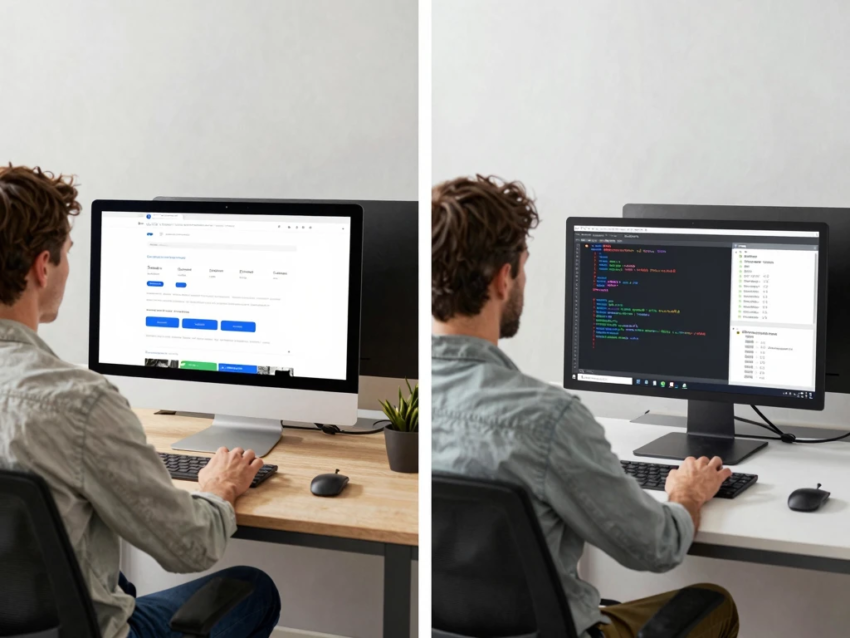
Frontend development focuses on the parts of a website that users see and interact with, while backend development manages the server, database, and behind-the-scenes operations. Understanding the difference between frontend and backend development is essential for anyone interested in building a career in technology.
In this article, we will explain frontend vs backend development, their roles, technologies, skills, benefits, career opportunities, and how both work together to create powerful web applications.
What Is Web Development?
Web development is the process of creating and maintaining websites and web applications. It involves designing web pages, writing code, managing databases, improving performance, and ensuring security.
Web development is generally divided into three main areas:
- Frontend Development
- Backend Development
- Full-Stack Development
Each area has a specific role in creating modern websites and applications.
What Is Frontend Development?
Frontend development is the process of creating the visual and interactive parts of a website that users directly see and use.
A frontend developer focuses on the user experience, website design, layout, buttons, animations, and overall appearance of a website.
When you visit a website and interact with menus, images, forms, and pages, you are using the frontend.
Responsibilities of Frontend Developers
Frontend developers are responsible for:
- Creating website layouts
- Designing user interfaces
- Making websites responsive
- Improving user experience
- Adding interactive features
- Optimizing website performance
Their goal is to make websites attractive, fast, and easy to use.
Frontend Development Technologies
Frontend developers use several programming languages and tools.
HTML
HTML (HyperText Markup Language) is the foundation of every website. It creates the structure of web pages, including headings, paragraphs, images, and links.
CSS
CSS (Cascading Style Sheets) controls the design and appearance of websites.
It is used for:
- Colors
- Fonts
- Layouts
- Animations
- Responsive designs
JavaScript
JavaScript adds functionality and interaction to websites.
It allows developers to create:
- Dynamic content
- Interactive forms
- Animations
- Real-time updates
Popular Frontend Frameworks and Libraries
Modern frontend development often uses frameworks and libraries to build applications faster.
React
React is a popular JavaScript library used for creating fast and interactive user interfaces.
Angular
Angular is a powerful framework used for building large-scale web applications.
Vue.js
Vue.js is a simple and flexible framework for creating modern web interfaces.
Skills Required for Frontend Development
A successful frontend developer should have knowledge of:
- HTML
- CSS
- JavaScript
- Responsive design
- User interface principles
- Browser compatibility
- Version control systems
- Frontend frameworks
Creativity and attention to detail are also important skills.
What Is Backend Development?
Backend development focuses on the server-side operations of a website or application. It manages the logic, database, security, and communication between the frontend and server.
Users cannot directly see the backend, but it is responsible for making websites function properly.
For example, when you log into a website, the backend verifies your username and password and retrieves your account information from the database.
Responsibilities of Backend Developers
Backend developers handle:
- Server management
- Database operations
- Application logic
- User authentication
- Security systems
- API development
Their main goal is to ensure websites work efficiently and securely.
Backend Development Technologies
Backend developers use programming languages and tools to build server-side systems.
Python
Python is widely used for backend development because of its simplicity and powerful frameworks such as Django and Flask.
Java
Java is commonly used for large enterprise applications because of its reliability and performance.
PHP
PHP is a popular backend language used for many websites and content management systems.
Node.js
Node.js allows developers to use JavaScript for backend development.
Ruby
Ruby is known for its simplicity and is used with the Ruby on Rails framework.
Databases in Backend Development
Databases store and manage website information.
Common database technologies include:
MySQL
A popular relational database system used for storing structured data.
PostgreSQL
An advanced open-source database known for reliability and flexibility.
MongoDB
A NoSQL database commonly used for modern applications requiring flexible data storage.
Skills Required for Backend Development
Backend developers need knowledge of:
- Server-side programming languages
- Databases
- APIs
- Security practices
- Server management
- Database design
- Cloud technologies
Problem-solving skills are especially important for backend development.
Frontend vs Backend Development: Key Differences
| Feature | Frontend Development | Backend Development |
|---|---|---|
| Main Focus | User interface and experience | Server and database operations |
| Visibility | Visible to users | Hidden from users |
| Main Languages | HTML, CSS, JavaScript | Python, Java, PHP, Node.js |
| Responsibilities | Design and interaction | Logic and data management |
| Tools | React, Angular, Vue.js | Django, Laravel, Express.js |
| Goal | Create attractive interfaces | Build secure and functional systems |
How Frontend and Backend Work Together
Frontend and backend development are not separate systems. They work together to create complete web applications.
For example, in an online shopping website:
- The frontend displays products, images, and shopping buttons.
- The backend manages product information, user accounts, and payments.
- The database stores customer and product data.
When a user performs an action, the frontend sends a request to the backend. The backend processes the request, communicates with the database, and sends the required information back to the frontend.
This teamwork creates a smooth user experience.
What Is Full-Stack Development?
A full-stack developer is someone who understands both frontend and backend development.
Full-stack developers can build complete web applications from start to finish.
They work with:
- Frontend technologies
- Backend programming
- Databases
- APIs
- Servers
- Cloud platforms
Full-stack development is becoming increasingly popular because companies value developers who can handle multiple areas of web development.
Career Opportunities in Web Development
Web development offers many career opportunities.
Frontend Developer
Frontend developers create user interfaces and improve website experiences.
Backend Developer
Backend developers build server systems, databases, and application logic.
Full-Stack Developer
Full-stack developers manage both frontend and backend tasks.
Web Application Developer
These developers create advanced web-based software solutions.
UI/UX Developer
UI/UX developers focus on improving website design and user experience.
Future of Web Development
Web development continues to evolve with new technologies.
Future trends include:
- Artificial intelligence in web applications
- Progressive web applications
- Web3 technologies
- Voice-controlled interfaces
- Advanced cybersecurity
- Cloud-based development
- Low-code and no-code platforms
Developers who continue learning new skills will have better opportunities in the technology industry.
How to Start Learning Web Development
Beginners can start their web development journey by following these steps:
- Learn HTML and CSS basics.
- Understand JavaScript fundamentals.
- Practice building small websites.
- Learn frontend frameworks like React.
- Study backend programming.
- Learn databases and APIs.
- Build real-world projects.
- Create a professional portfolio.
Consistent practice is the key to becoming a successful web developer.
Conclusion
Understanding web development: frontend vs backend helps beginners choose the right career path in technology. Frontend development focuses on creating attractive and interactive user experiences, while backend development manages the logic, databases, and server-side operations that make websites function.
Both frontend and backend developers play an essential role in building modern web applications. Whether you choose frontend, backend, or full-stack development, learning web development can open the door to many exciting career opportunities.
As businesses continue moving online, the demand for skilled web developers will continue to grow. Learning these skills today can help you become part of the future of digital innovation.