Introduction
Cloud computing has changed the way businesses and individuals use technology. Instead of relying on physical servers and expensive hardware, organizations can access computing resources over the internet whenever they need them. From storing files and running applications to managing large amounts of data, cloud computing provides flexible and scalable solutions for modern digital needs.
However, not all cloud environments work in the same way. Businesses have different requirements based on security, budget, performance, and control. This is why different types of cloud computing have been developed to meet various needs.
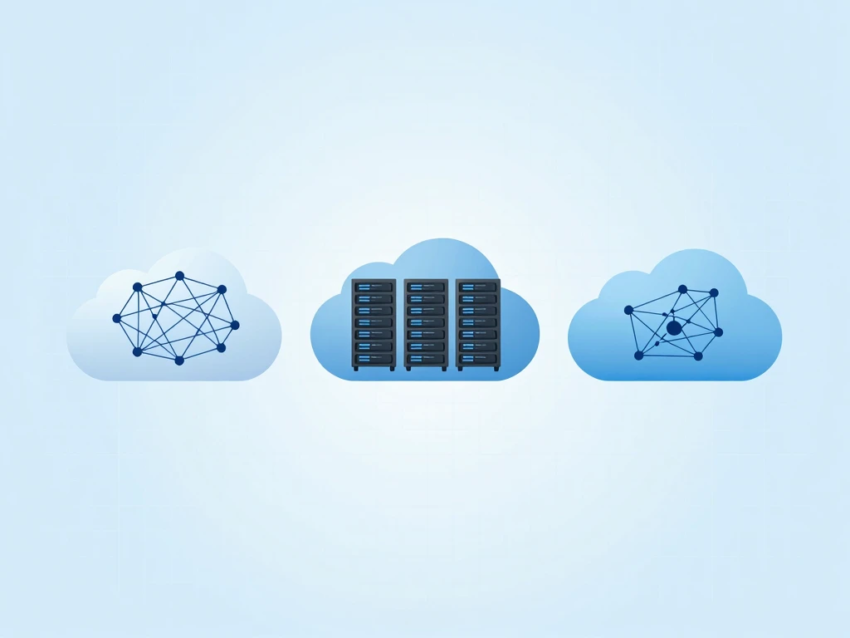
The three main types of cloud computing are Public Cloud, Private Cloud, and Hybrid Cloud. Each type offers unique advantages and is suitable for different situations. Understanding these cloud models helps businesses choose the right solution for their goals.
In this article, we will explore the different types of cloud computing, how they work, their benefits, challenges, and how businesses can select the best cloud environment.
What Is Cloud Computing?
Cloud computing is the delivery of computing services through the internet. These services include storage, servers, databases, networking, software, analytics, and other digital resources.
Instead of purchasing and maintaining their own IT infrastructure, businesses can use cloud services provided by third-party companies. Cloud providers manage hardware, security, maintenance, and updates, allowing organizations to focus on their core activities.
Cloud computing offers several benefits, including:
- Lower infrastructure costs
- Flexible resource management
- Easy access from anywhere
- Improved collaboration
- Better data protection
- Faster innovation
Why Are Different Types of Cloud Computing Needed?
Every organization has different technology requirements. A small business may need an affordable solution with minimal maintenance, while a large enterprise may require complete control over sensitive data.
Different cloud models provide different levels of:
- Security
- Cost control
- Customization
- Performance
- Scalability
- Management responsibility
Choosing the right cloud model helps organizations achieve better efficiency and maximize the value of cloud technology.
Main Types of Cloud Computing
1. Public Cloud
A public cloud is a cloud environment where computing resources are owned and managed by a third-party cloud service provider. These resources are shared among multiple customers through the internet.
Popular public cloud providers offer services such as storage, computing power, databases, and software applications.
How Public Cloud Works
In a public cloud environment, the service provider manages:
- Hardware infrastructure
- Data centers
- Network systems
- Security updates
- Maintenance
Users access cloud resources through online platforms and pay based on their usage.
Benefits of Public Cloud
Cost-Effective Solution
Public cloud services reduce the need for businesses to purchase expensive hardware and maintain their own data centers. Organizations only pay for the resources they use.
High Scalability
Businesses can quickly increase or decrease resources based on demand. This makes public cloud ideal for companies experiencing rapid growth.
Easy Accessibility
Users can access public cloud services from anywhere with an internet connection, supporting remote work and global collaboration.
Automatic Maintenance
Cloud providers handle system updates, security patches, and infrastructure management.
Challenges of Public Cloud
Despite its benefits, public cloud has some limitations.
Limited Control
Organizations have less control over the underlying infrastructure compared to private cloud environments.
Security Concerns
Although public cloud providers offer strong security features, businesses must properly manage user access and data protection.
Shared Resources
Since resources are shared among multiple customers, some organizations may have concerns about performance and privacy.
Common Uses of Public Cloud
Public cloud is commonly used for:
- Website hosting
- Email services
- Data storage
- Software applications
- Online collaboration tools
- Application development
2. Private Cloud
A private cloud is a dedicated cloud environment designed for a single organization. Unlike public cloud, resources are not shared with other users.
Private clouds can be hosted within an organization’s own data center or managed by an external provider.
How Private Cloud Works
A private cloud provides exclusive access to computing resources. The organization has greater control over:
- Infrastructure
- Security policies
- Data management
- Custom configurations
This makes private cloud suitable for businesses that require strict security and compliance.
Benefits of Private Cloud
Enhanced Security
Private cloud provides stronger control over sensitive data because resources are dedicated to one organization.
Industries such as banking, healthcare, and government often prefer private cloud solutions due to strict security requirements.
Greater Customization
Organizations can customize private cloud environments according to their specific needs and applications.
Better Control
Businesses have complete control over infrastructure, performance settings, and security policies.
Compliance Support
Private cloud helps organizations meet industry regulations related to data privacy and security.
Challenges of Private Cloud
Higher Cost
Private cloud requires more investment in hardware, software, and maintenance compared to public cloud.
Management Complexity
Organizations need skilled IT professionals to manage and maintain private cloud environments.
Limited Scalability
Although private cloud can scale, expansion may require additional hardware and resources.
Common Uses of Private Cloud
Private cloud is often used by:
- Financial institutions
- Healthcare organizations
- Government agencies
- Large enterprises
- Companies handling sensitive information
3. Hybrid Cloud
A hybrid cloud combines both public cloud and private cloud environments. It allows businesses to use private infrastructure for sensitive workloads while using public cloud resources for general operations.
Hybrid cloud provides a balance between security, flexibility, and cost efficiency.
How Hybrid Cloud Works
In a hybrid cloud environment:
- Sensitive data can remain in a private cloud.
- Less critical applications can run on a public cloud.
- Data and applications can move between environments when needed.
This combination provides organizations with greater flexibility.
Benefits of Hybrid Cloud
Flexibility
Businesses can choose where to store and process different types of data based on their requirements.
Cost Optimization
Organizations can use public cloud resources for high-demand periods while keeping important systems in private cloud environments.
Improved Security
Sensitive information can be protected using private cloud infrastructure.
Better Business Continuity
Hybrid cloud supports backup and disaster recovery by distributing resources across multiple environments.
Challenges of Hybrid Cloud
Complex Management
Managing multiple cloud environments requires advanced skills and effective monitoring tools.
Integration Issues
Connecting public and private cloud systems can sometimes be technically challenging.
Security Management
Organizations must maintain consistent security policies across different environments.
Common Uses of Hybrid Cloud
Hybrid cloud is popular among:
- Large businesses
- Financial companies
- Healthcare providers
- E-commerce platforms
- Organizations undergoing digital transformation
Comparison of Public, Private, and Hybrid Cloud
| Feature | Public Cloud | Private Cloud | Hybrid Cloud |
|---|---|---|---|
| Ownership | Cloud provider | Single organization | Combination |
| Cost | Lower | Higher | Medium |
| Security | Good | Very high | High |
| Control | Limited | Full control | Flexible control |
| Scalability | Excellent | Moderate | Excellent |
| Best For | Startups and general applications | Sensitive data and enterprises | Businesses needing flexibility |
How to Choose the Right Cloud Type?
Selecting the right cloud model depends on several factors.
Businesses should consider:
Security Requirements
Organizations handling sensitive information may prefer private or hybrid cloud solutions.
Budget
Companies with limited budgets often choose public cloud because it requires less investment.
Scalability Needs
Businesses experiencing rapid growth may benefit from public or hybrid cloud models.
Compliance Requirements
Industries with strict regulations may require private cloud environments.
Business Goals
Organizations should choose a cloud model that supports their long-term technology strategy.
Future of Cloud Computing
Cloud computing continues to evolve with new technologies and innovations.
Future trends include:
- Artificial Intelligence-powered cloud services
- Edge computing
- Multi-cloud strategies
- Serverless computing
- Improved cloud security
- Sustainable cloud solutions
As businesses continue adopting digital technologies, cloud computing will become even more important.
Conclusion
Understanding the types of cloud computing: Public, Private, and Hybrid Cloud helps businesses make better technology decisions. Each cloud model offers unique advantages depending on an organization’s needs, security requirements, budget, and scalability goals.
Public cloud provides affordability and flexibility, private cloud offers greater control and security, while hybrid cloud combines the benefits of both approaches.
As digital transformation continues, choosing the right cloud environment will help businesses improve efficiency, reduce costs, and remain competitive in the modern technology landscape.